Newsletters
Browse our newsletter archive below. Each newsletter is available to read online or download as a PDF.
Winter 2026 Newsletter
Read full newsletter →Fall 2025 Newsletter
Hopewell Presbyterian Church

Hopewell Presbyterian Church.
The origins of Hopewell P.C., located in Huntersville near Charlotte, goes back to circa 1750 when John Thompson, a Presbyterian missionary, preached at several sites south of the Yadkin River. The preacher Alexander Craighead was responsible for the first meeting house (church), a log cabin in 1765. In 1746, New Side Scots-Irish Presbyterians, favoring a more dramatic and passionate church, founded the College of New Jersey, now Princeton University. Craighead was a New Side zealot and is considered the father of several Charlotte area churches, each populated largely by Scots-Irish settlers who predominately arrived by the Great Philadelphia Wagon Road.
Spring 2025 Newsletter
Read full newsletter →Summer 2024 Newsletter
Buffalo Presbyterian Church and David Caldwell

Buffalo Presbyterian Church (Photo by Sam Martin)
Buffalo Presbyterian Church was founded in 1756, a short time before the founding of Greensboro and the establishment of our state and nation. David Caldwell, an important educator and politician, was the first minister of Buffalo and served for 55 years. Caldwell was also the first minister at nearby Alamance Presbyterian Church which was founded in 1764. Buffalo was an old side congregation while Alamance was a new side one. There were no doctrinal arguments, but the Alamance church adopted a new more enthusiastic worship style influenced by the “awakenings” occurring nationally. Caldwell did not see this as a religious problem. Rev. Caldwell is buried in the Buffalo cemetery.
Winter 2023 Newsletter
Read full newsletter →Summer 2023 Newsletter
Read full newsletter →Winter 2022 Newsletter
Read full newsletter →Summer 2022 Newsletter
Read full newsletter →Winter 2021 Newsletter
Read full newsletter →Summer 2021 Newsletter
Read full newsletter →Summer 2020 Newsletter
Historic Churches in Granville and Vance Counties
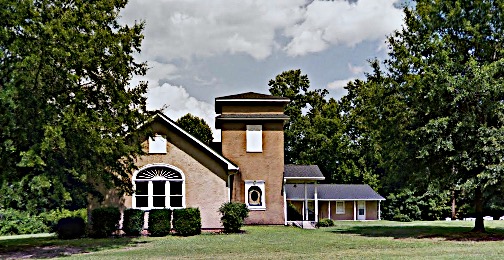
Geneva Presbyterian Church
Many Presbyterians are not aware that this area of northeastern North Carolina was one of the first regions settled by Scotch-Irish Presbyterians coming down from Pennsylvania through Virginia. They were encouraged to move into the area by land speculators from Ulster in the north of Ireland who had been granted a huge tract of land south of the Virginia border in 1737, with the stipulation that they bring in settlers. So why did the Scotch-Irish begin arriving in Granville? It all had to do with the roads.
Winter 2017 Newsletter
Rural Churches and Railroads: Moore and Richmond Counties
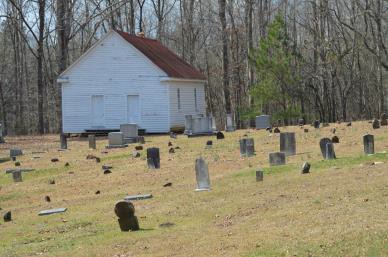
Jackson Springs Presbyterian Church. By Steve Mcrae.
This year our tour was in a part of the Scottish settlements we have not visited before. In the 18th century and well into the 19th, Scots settled in the Cape Fear basin and all across the Sandhills, establishing Presbyterian churches where they could. We began our tour at one of these churches, Jackson Springs Presbyterian, which celebrated its 200th anniversary. After a mineral spring was found near an extensive “Scotch Settlement,” a preaching stand was set up in 1817 to draw the occasional visiting preacher. By 1819 the Rev. John Patterson was their stated preacher, and he officially organized the Mineral Spring Presbyterian Church. In 1889 the name was changed to Jackson Spring.
Winter 2016 Newsletter
Spring in “Connemara” and the Blue Ridge Mountains
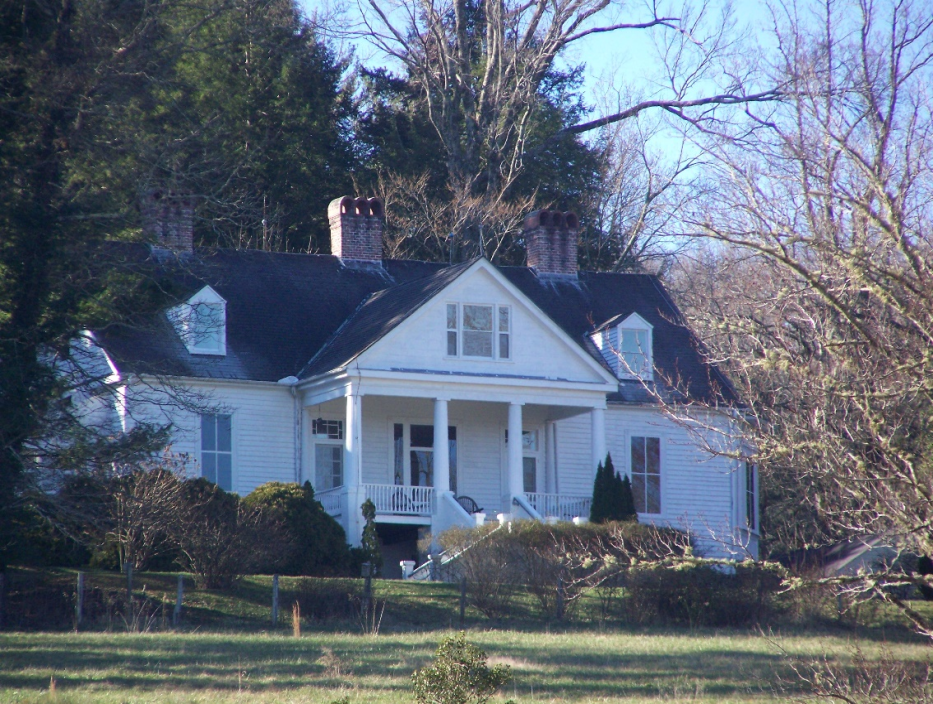
Connemara home of Carl Sandburg. By Sam Martin.
Our Spring Tour for 2016 took us to the Lower Blue Ridge region of southwestern North Carolina, where we explored the stories of those who settled in this area and visited some of their churches and old cemeteries. We were in the PCUSA Presbytery of Western North Carolina and in the Associate Reformed Presbyterian’s Synod of North Carolina.
Winter 2015 Newsletter
Exploring Colonial North Carolina – Edenton
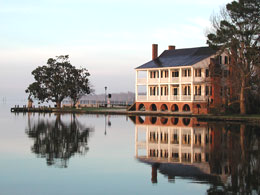
Penelope Barker House, ca. 1782. From NCpedia.org.
The Spring Tour for 2015 brought the North Carolina Presbyterian Historical Society to the tidewater region of the Albemarle Sound and northeastern North Carolina in New Hope Presbytery. This area is rich in beauty and history—but not in Presbyterians! What was colonial religion like where the Church of England was dominant?
The tour began with our gathering on the waterfront in the beautiful town of Edenton. The Penelope Barker House is home to the Edenton Historical Commission and its visitors’ center.
Summer 2015 Newsletter
Summerville Presbyterian Church and the Problems of Preserving Historic Churches
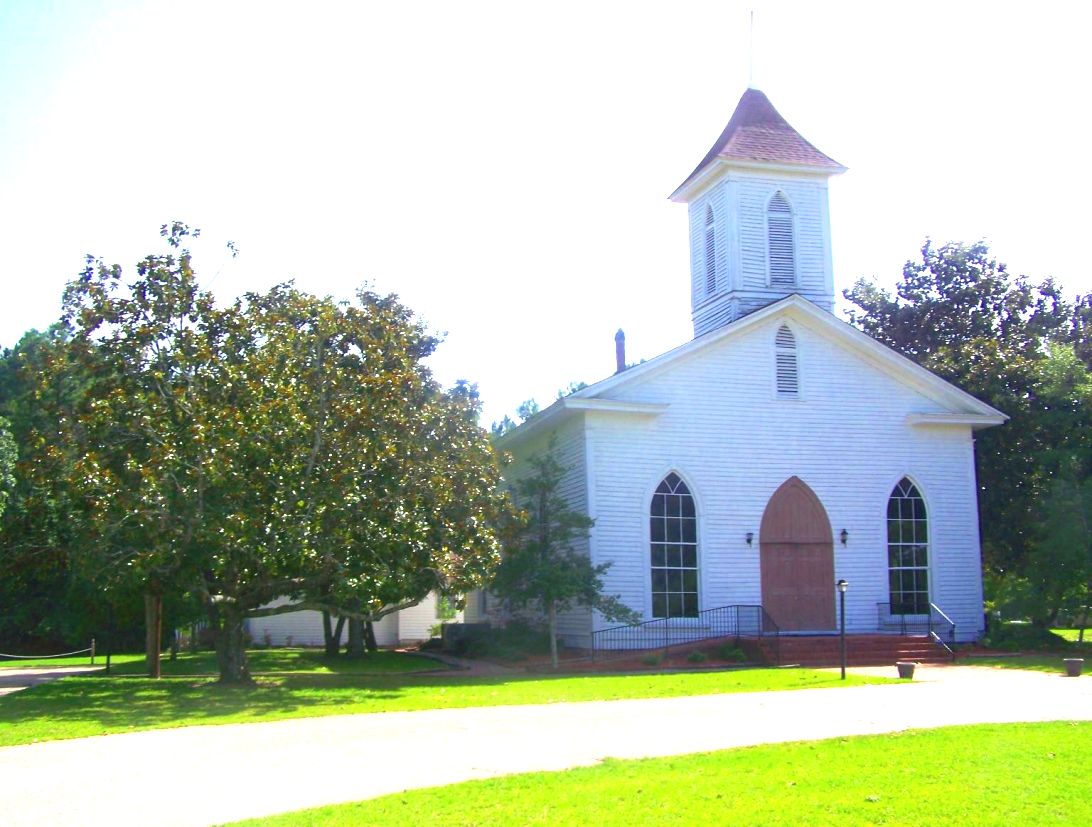
Summerville Presbyterian Church, Lillington.
The Summerville Presbyterian Church is located near Lillington in the heart of North Carolina in Harnett County. The church was established in 1811 as Tirzah, the first daughter of Barbecue Presbyterian Church. The church building and cemetery were included on the National Register of Historic Places in 1985.
The community of Summerville and the Summerville Presbyterian Church have intriguing histories that predate the establishment of Harnett County. From colonial days onward, the population of the upper Cape Fear region grew steadily, due to the commercial importance of the river for trade and agriculture. The good citizens of northern Cumberland County wanted a more convenient location to do their political business, and for over 100 years had tried several times to get the colonial government and General Assembly to agree to their wishes. When Harnett County was finally established in 1855, the center of the new county, already the home of the highly regarded Summerville Male and Female Seminary, was selected to be the county seat.
Winter 2014 Newsletter
A Golden Tour for Our 50th Birthday: Eastern Guilford and Alamance
Peacehaven Community Farm
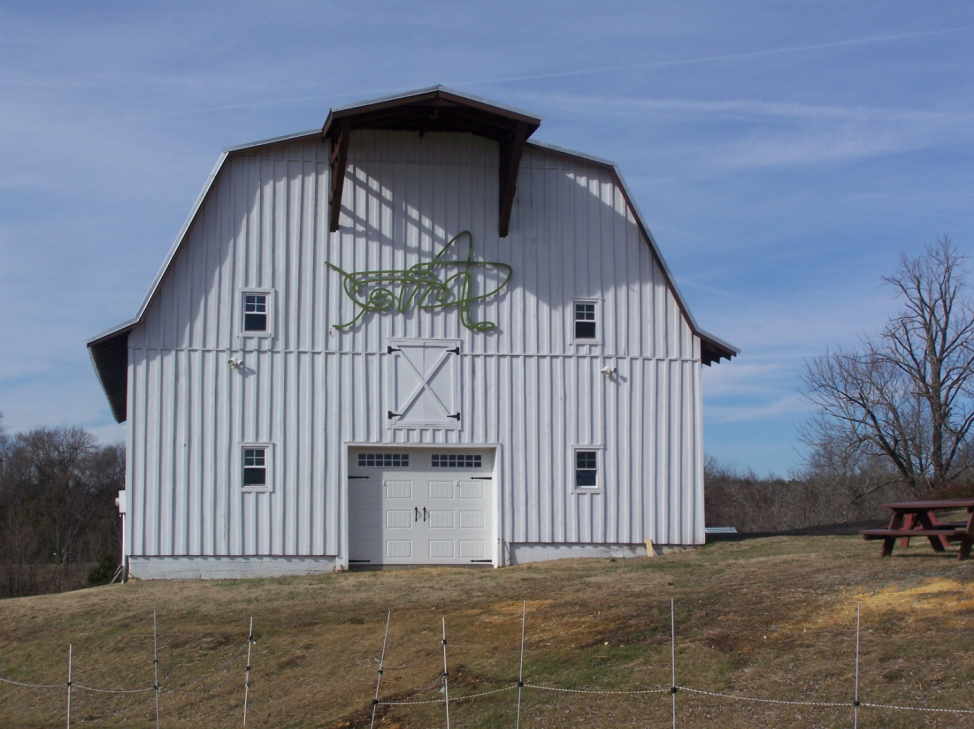
Peacehaven Community Farm barn.
Peacehaven Community Farm near the village of Whitsett in eastern Guilford County is an 89-acre facility, and its name wonderfully describes the setting and its purpose. Inspired by the L’Arche communities in Europe, Peacehaven was established to provide a safe and loving community for special-needs adults where their gifts are recognized. The farm also gives opportunities for others in the area to develop relationships with the residents and staff. The beautiful rolling hills on the banks of Lake Mackintosh provide organic gardens, beautiful woodlands, and verdant pastures – everything that a sustainable and earth-friendly farm must have.